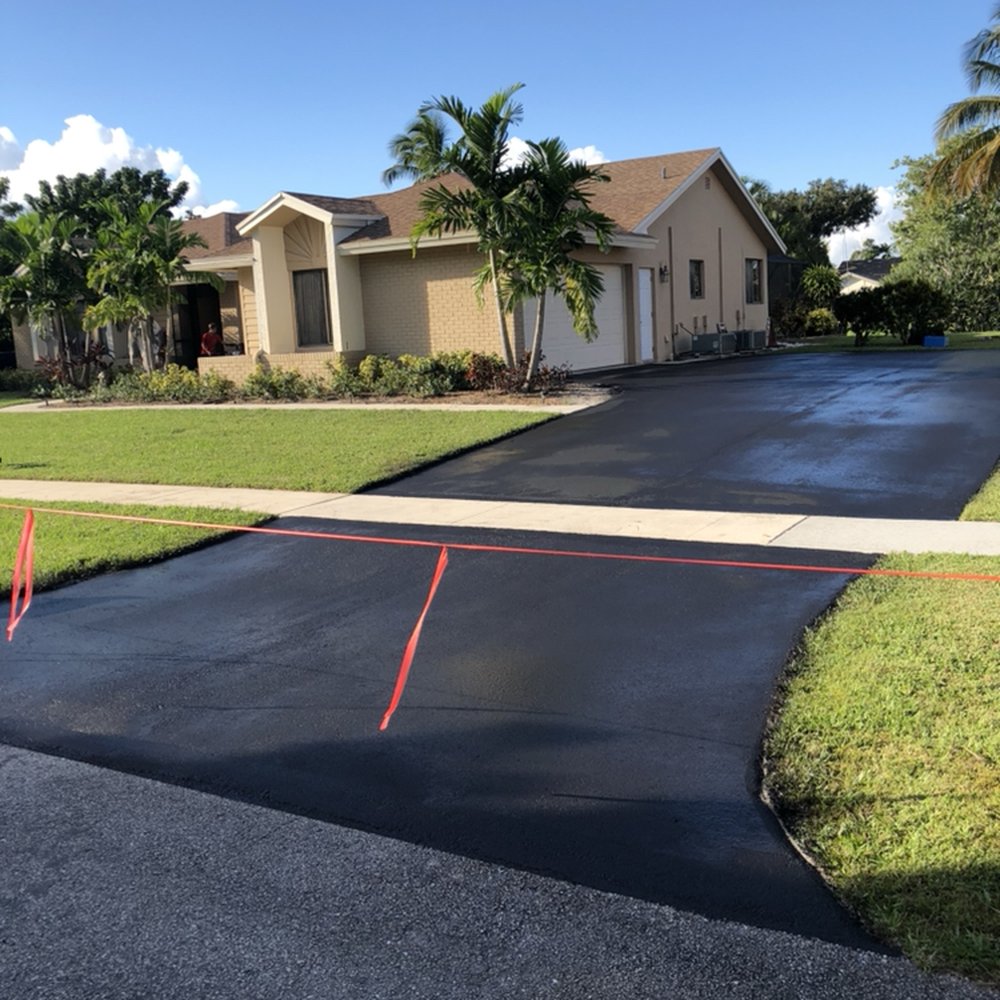
Older asphalt driveways often begin to lose their original dark appearance after years of exposure to sunlight, rain, changing temperatures, and regular vehicle traffic. The surface may turn grey, develop minor cracks, or start showing other signs of wear.
Spray sealcoating for driveways is a maintenance option that can help protect suitable asphalt surfaces while giving them a cleaner and more uniform appearance. The process involves applying a protective coating across the prepared driveway using spray equipment.
However, older asphalt needs to be properly inspected before any coating is applied. Understanding how the process works can help homeowners determine whether spray sealcoating is suitable for their driveway.
How Does Spray Sealcoating for Driveways Work?
Spray sealcoating involves applying a protective coating evenly across an asphalt surface. The spray method can be useful for covering residential driveways efficiently when the pavement has been properly prepared.
Before the application begins, the driveway should be cleaned to remove loose dirt, stones, leaves, weeds, and other debris. Nearby areas may also need to be protected from overspray.
Homeowners searching for professional asphalt sealcoating near me should ask how the surface will be prepared before the coating is applied. Even application is important, but the condition of the asphalt underneath can also affect the finished result.
Can Spray Sealcoating Help Restore a Faded Driveway?
One of the most noticeable signs of aging asphalt is a change in colour. A driveway that was once dark may gradually become grey after years of weather exposure.
Spray sealcoating can give suitable asphalt a darker and more consistent appearance. This can make an older driveway look better maintained without replacing the entire paved surface.
However, sealcoating should not be viewed as a way to hide serious damage. A faded but stable driveway may be suitable for coating, while a surface with potholes, crumbling sections, or major deterioration may need repairs first.
Does Spray Sealcoating for Driveways Protect Against Weather?
Asphalt driveways are constantly exposed to outdoor conditions. Rain, sunlight, temperature changes, and moisture can gradually contribute to surface wear.
A protective coating creates an additional layer over the existing asphalt. This can help reduce direct exposure to some of the conditions that contribute to surface deterioration.
Homeowners looking for driveway sealcoating near me may be considering the service because their asphalt has started to show early signs of weathering. Having the surface inspected can help determine whether sealcoating is appropriate or whether damaged areas need attention first.
Should Driveway Cracks Be Repaired Before Spray Sealcoating?
Existing cracks should be assessed before the driveway is coated. Sealcoating is not designed to fill every type of crack or repair deeper pavement damage.
Driveway crack repair and sealcoating can be used together when a surface has minor cracks that need treatment before the protective coating is applied. Addressing suitable cracks first helps prevent them from simply being covered without proper attention.
The size and condition of the cracks matter. Small surface cracks may require one type of treatment, while larger or deeper damage may need a different repair approach.
When Is Asphalt Patching Needed Before Sealcoating?
Some older driveways have damage that goes beyond minor surface wear. Potholes, broken sections, sunken areas, and crumbling asphalt may require repair before sealcoating should be considered.
In these situations, homeowners may need to look for asphalt patching near me before moving ahead with the coating. Patching can address specific damaged sections where the existing asphalt is no longer in suitable condition.
A professional inspection can help identify which areas need repair. Applying sealcoating over badly damaged pavement may improve its appearance temporarily, but it will not correct the underlying problem.
Is Spray Sealcoating for Driveways Suitable for All Older Asphalt?
Not every old driveway is a good candidate for sealcoating. The overall condition of the pavement needs to be considered.
A driveway with surface fading and early signs of wear may benefit from maintenance. In contrast, asphalt with widespread cracking, severe crumbling, major drainage problems, or extensive structural damage may need more substantial work.
The age of the driveway alone does not determine whether sealcoating is suitable. What matters more is the current condition of the asphalt and whether the surface can properly receive the coating.
What Happens After Spray Sealcoating Is Applied?
After the application is complete, the driveway needs time to dry and cure. Vehicles should remain off the surface until the contractor confirms that it is ready for use.
Drying and curing times can vary based on temperature, humidity, weather conditions, and the product used. Homeowners should arrange alternative parking before the project begins.
It is also important to avoid scheduling the service when unsuitable weather is expected. The contractor should explain the expected conditions and provide clear instructions for using the driveway after application.
Is Spray Sealcoating for Driveways Right for Your Property?
Spray sealcoating for driveways can be a useful maintenance option for asphalt that has started to fade or show early signs of surface wear. It can improve the appearance of suitable pavement while adding a protective layer over the existing asphalt.
The most important step is assessing the driveway before the coating is applied. Cracks may need treatment, damaged areas may require patching, and the entire surface should be properly cleaned and prepared.
For older asphalt, the right approach depends on the condition of the driveway. A professional assessment can help determine whether spray sealcoating, repair work, or a combination of services is the most suitable next step.